This week I’m heading across the Atlantic to meet Canadian author Tom Halford. Tom lives in Newfoundland where I suspect the chilly winters provide ample opportunity for comfort reading!
Thanks for having me on your blog, Rosie. I really appreciate it.
When I think of my favourite comfort reads, I always think of the bildungsroman. The bildungsroman is roughly defined as the novel of development, and these types of books usually focus on a younger person coming of age.
Here are my top five comfort reads.
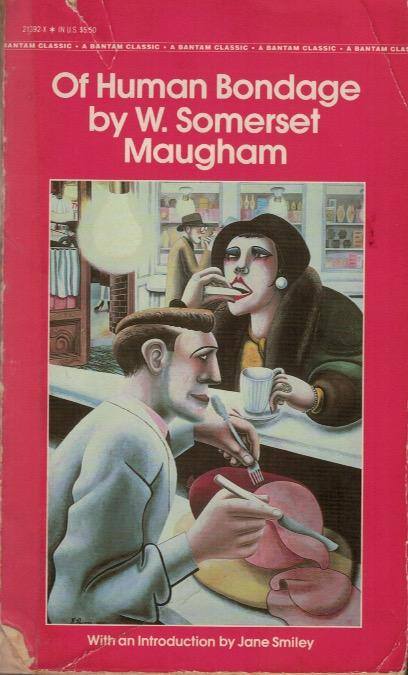
Of Human Bondage W Somerset Maugham
When I started reading this book, I had no idea what I was going to do with my life. I can remember sitting in my parents’ basement over the Christmas holidays. There was this dusty, smelly red-orange chair that I had stuffed into my bedroom. This was where I befriended Philip Carey, Maugham’s protagonist, who has to come to terms with the fact that he will never become a professional artist. He chooses a more practical path and becomes a doctor. This book had a strange effect on me. Even though the conclusion was ultimately about choosing to be practical, Maugham’s style and character development led me to be even more obsessed with writing novels. I come from a family where almost everyone is a dentist (this sounds like a joke, but it’s true). After reading this book, I knew that had to at least try to be a writer. If I became
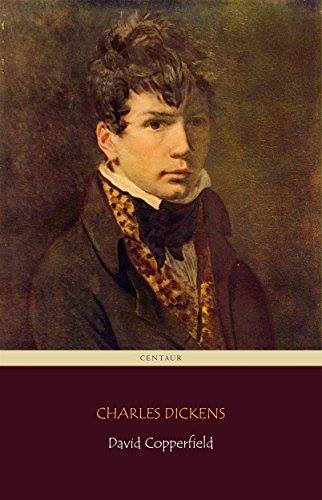
David Copperfield, Charles Dickens
Where was I when I read this book? I believe I was staying at my parents’ camp while I worked at a nearby campground on Lake George, New Brunswick. This was one book that I didn’t want to end. There are a number of parallels between Philip Carey and David Copperfield. Both of them lose their mother at a young age. Both meet a host of characters both good and bad. I’m not sure why I was so drawn to these two books. I don’t have much in common with either hero, but they’re both great
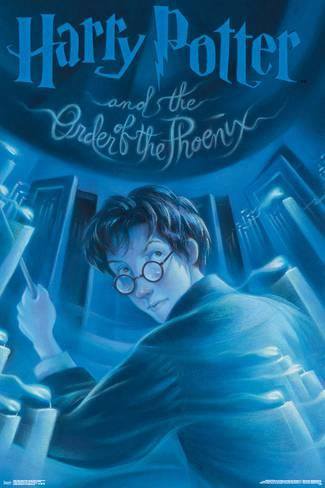
Harry Potter and the Order of the Phoenix, JK Rowling
By the time I read the Harry Potter series, I was finally out of my parents’ house. My wife and I even own our own house now!
Currently, I end up driving everyone to where they need to be and am in our van for roughly an hour and a half each day. In the fall, I listened to Harry Potter and the Order of the Phoenix in the van on a loaned copy from the library. Harry Potter is an incredible main character, and each one of the supporting characters
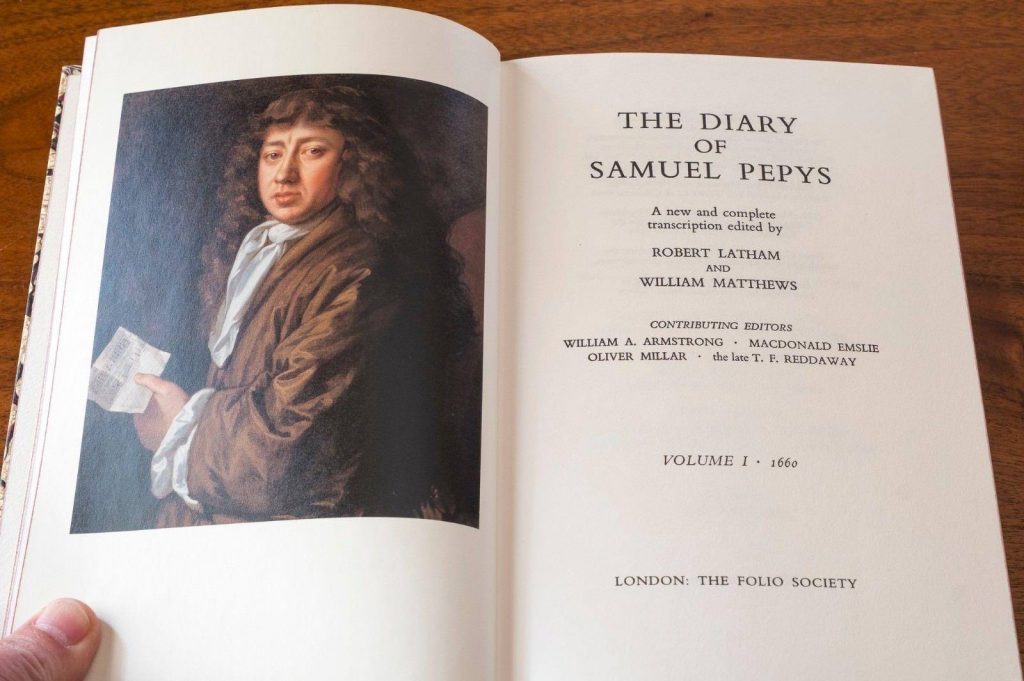
The Diary of Samuel Pepys, Samuel Pepys
On that note, I’m going to argue that The Diary of Samuel Pepys can be considered a bildungsroman. It’s not a novel but a series of diary entries spanning from 1660 to 1669, so I’ll lose the battle in relation to the “roman” of bildungsroman. However, it is a book where the reader gets to see a clear development in Pepys. These developments are not always better for Pepys on a personal level. His relationship with his wife becomes increasingly strained, but he advances considerably in his professional life. So, even in relation to “
I don’t care though. I love Pepys. Of any literary figure, Pepys is the most alive to me. I feel as though I have gone back in time between 1660-1669 and hung out with him. This was at a lonely time for me, before I’d met my wife (yes, I also read The Diary of Samuel Pepys in my parents’ basement), and reading about Pepys’s life was one of my most comforting reads.
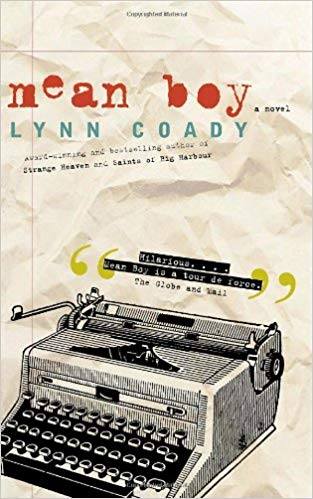
Mean Boy, Lynn Coady
Lynn Coady’s Mean Boy is more of a
The comfort that I find in the bildungsroman genre is that the main character usually becomes a friend. I learn about his or her life from a young age, the struggles and the successes. In a way, I feel like Philip Carey, David Copperfield, Harry Potter, Samuel Pepys, and Lawrence Campbell are more than characters; they are good friends who I knew very well for a short period of time.
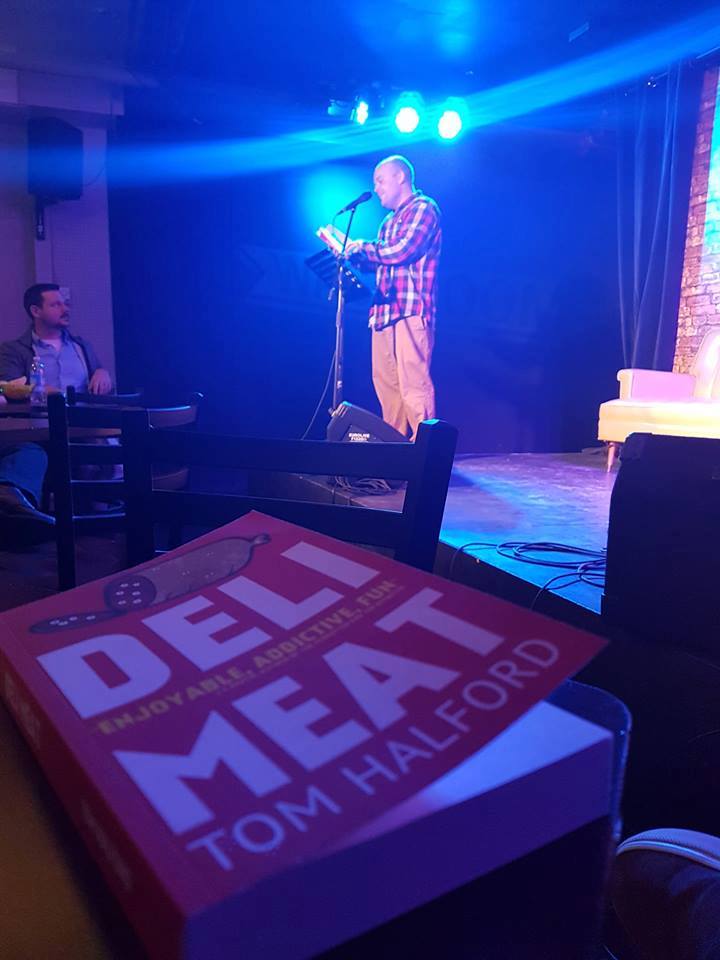
About Tom
Tom Halford lives with his family in Newfoundland, Canada. His novels
He maintains a Twitter page: twitter.com/tomhalfordnovel
And he maintains a Youtube account: youtube.com/user/CyrilTrout
Tom’s debut novel Deli Meat is published by Crooked Cat Books and available on Amazon.
https://www.amazon.com/Deli-Meat-Tom-Halford-ebook/dp/B07FF5ZDKW/
Thanks to Tom for sharing his choices and


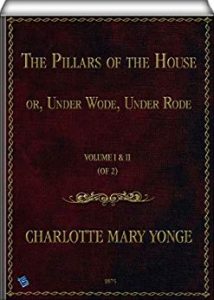 Pillars of the House – Charlotte M Yonge
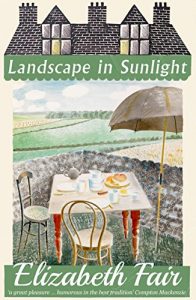 Landscape in Sunlight – Elizabeth Fair
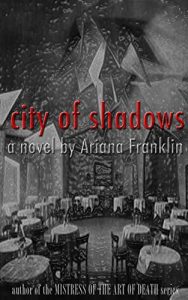 City of Shadows – Ariana Franklin
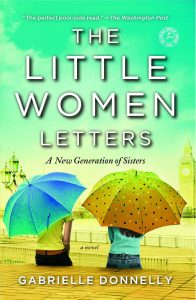 The Little Women Letters – Gabrielle Donnelly
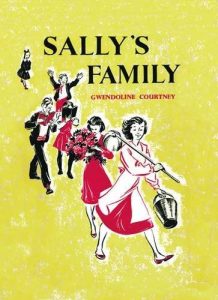 Sally’s Family – Gwendoline Courtney
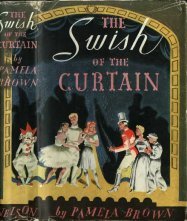 The Swish of the Curtain by Pamela Brown
 Jane Eyre by Charlotte Bronte
 Katherine by Anya Seton
 The Sunne in Spendour by Sharon Kay Penman
 The Importance of Being Earnest by Oscar Wilde
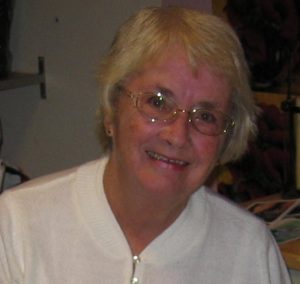 Paula Martin lives near Manchester in North West England and has two daughters and two grandsons.
 The Grand Sophy, by Georgette Heyer
 Nicholas Nickleby, by Charles Dickens
 Madam, Will You Talk?, by Mary Stewart
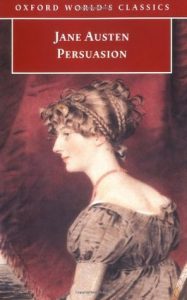 Persuasion, by Jane Austen
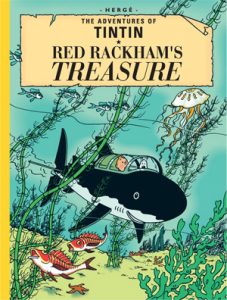 Red Rackham’s Treasure, by Hergé

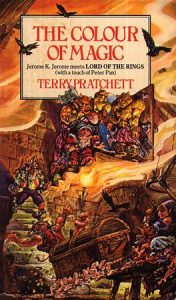 The Colour Of Magic by Terry Pratchett.
 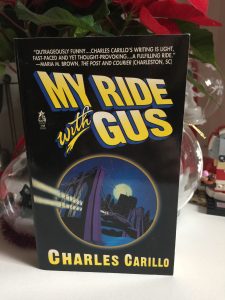 My Ride With Gus by Charles Carillo
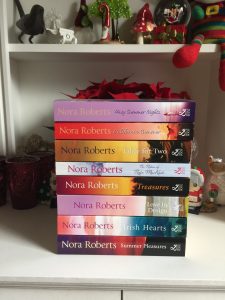 Anything written by Nora Roberts!
 Jane Eyre by Charlotte Bronte
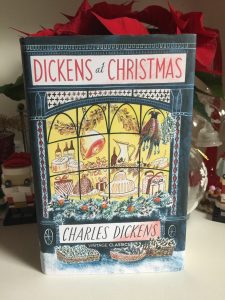 Dickens at Christmas
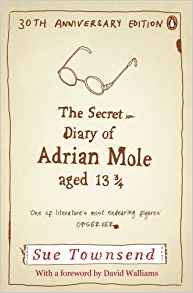 The Secret Diary of Adrian Mole Aged 13 ¾ by Sue Townsend.
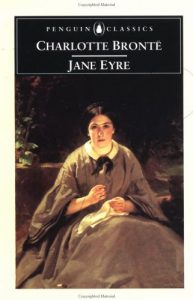 Jane Eyre by Charlotte Bronte.
 Illusions: The Adventures of a Reluctant Messiah by Richard Bach.
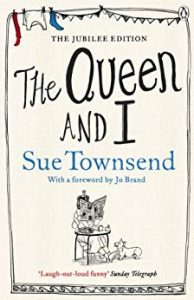 The Queen and I by Sue Townsend.
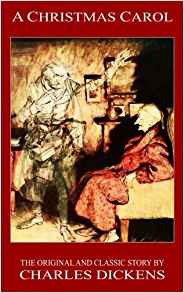 A Christmas Carol by Charles Dickens
 About Sharon


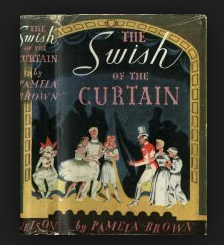 The first is The Swish Of The Curtain by Pamela Brown. It concerns a group of children who set up their own theatrical company – The Blue Doors. There are follow up books, but it’s the first that tops the list. As a child with a desperate desire to be an actress, this spoke to me in spades, and I can’t remember how many times I read it.
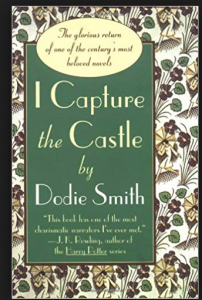 The second is I Capture The Castle by Dodie Smith, given to me at the age of twelve by friends of my parents who belonged to a book club. I got all their cast offs… The first line out-Rebeccas Rebecca in my opinion: “I write this sitting in the kitchen sink…” A journal, written in three different exercise books by a seventeen year old girl. Thoroughly immersive, romantic and inspirational. How many girls started journals as a result of reading this book? I did. I even used Dodie Smith as the subject of a thesis at university.
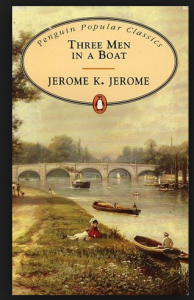 The third is Three Men in a Boat, by Jerome K Jerome. My father had a copy, which I inherited, and now have two more of my own. My parents and I used to read passages out loud to one another and end up in paroxisms of laughter. I am delighted to say that my own adult children still do that – from choice! Amazing. Written in 1889, the language is surprisingly modern, and aficionados only have to say “The Cheese!” or “Uncle Podger!” to one another to be lost in helpless mirth.
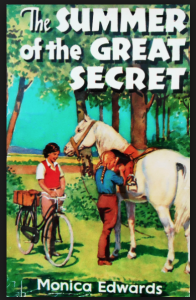 The final two are both series, from which I can’t single out one book. Monica Edwards’ Romney Marsh series, better known as the Tamsin and Rissa books have a lot to do with my now writing a series about a group of friends. The first I was given was the Summer of the Great Secret, about the Kent Coast, smuggling and –Ponies! That was the other love of my life, although I wrote a lot as well, but that was just something you did, not a great ambition. When I managed to fracture my pelvis two years ago, I re-read the entire series – and, incidentally all the others mentioned here.
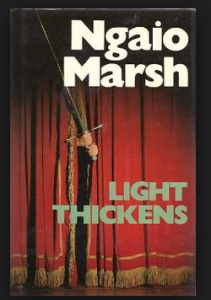 And last, the Ngaio Marsh Roderick Alleyn series. My parents had all her books currently published, and between us we bought each new one as it came out. It started off as a familiar theme – the aristocratic detective, a la Albert Campion and Peter Wimsey. But Alleyn soon developed his own distinct personalility, as did his wife, son and sidekicks. And he moved with the times. The rather grating treatment of “the lower classes” was dropped as attitudes changed. The other thing that particularly chimed with me was that Marsh received her “damery” as she called it, for her services to theatre in New Zealand, and several of her books have a theatrical setting, about which she was incredibly knowledgeable. Marsh is the reason that I now write a mystery series, and I have just re-read her entire canon, beginning to end.